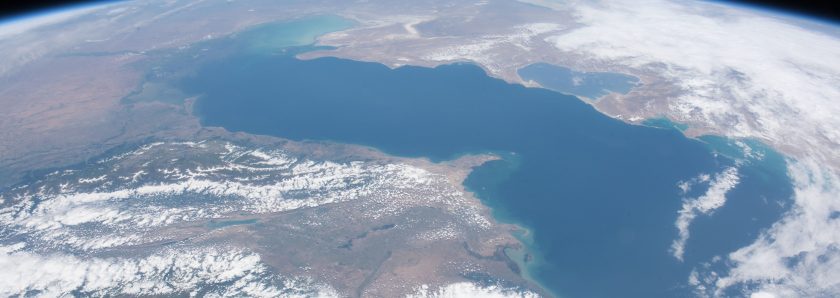
Pictures from NASA’s MODIS earth observation satellites tell the story of falling water levels in the Caspian Sea
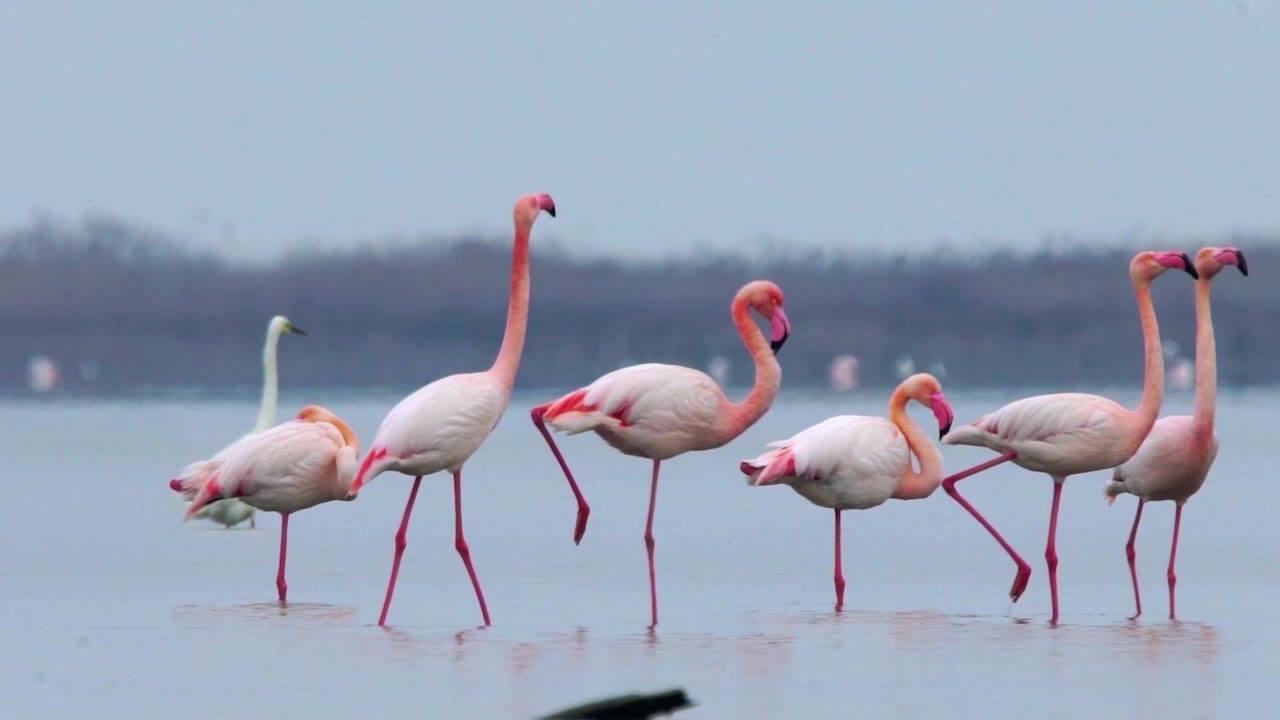
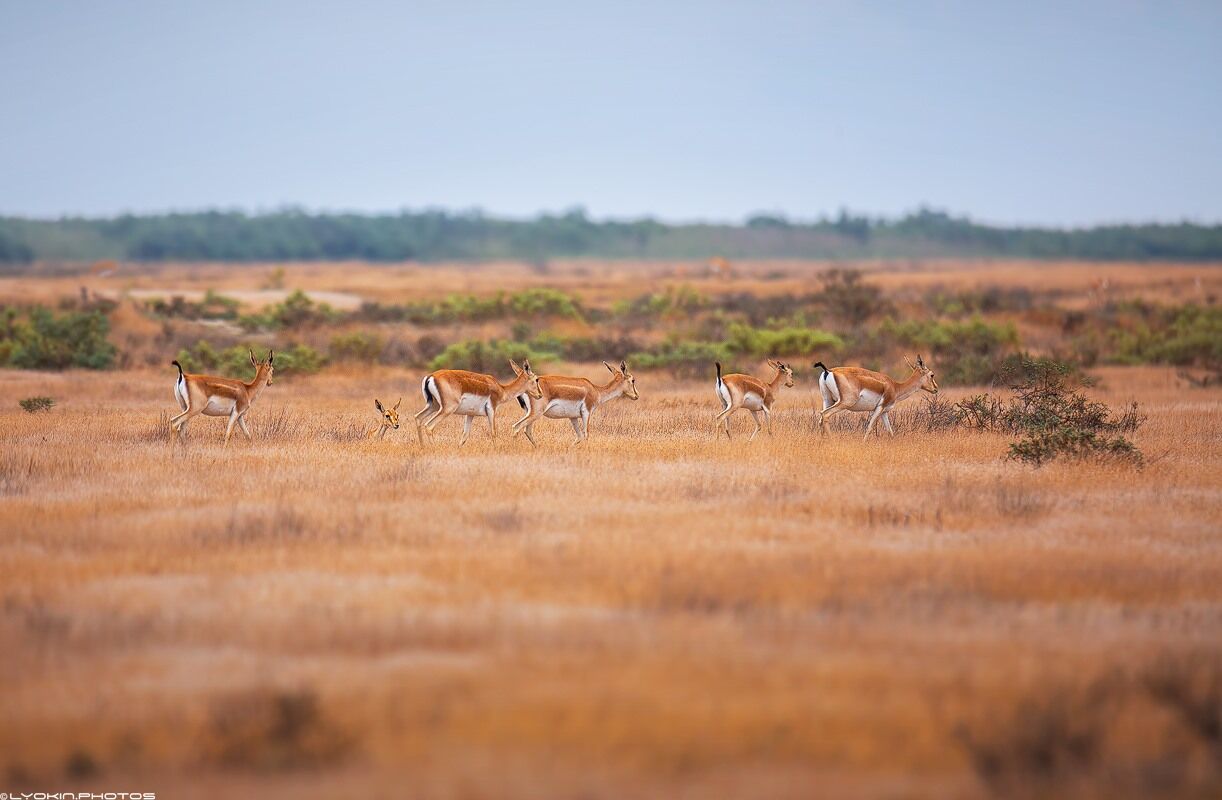
The Caspian Sea is the largest landlocked waterbody on the planet. Located at the boundary of Europe and Central Asia, more than 15 million people live around its shores, and it supports hundreds of endemic species and crucial habitats for migratory birds. It is also a key regulator of regional climate, and of vital economic and geopolitical importance.
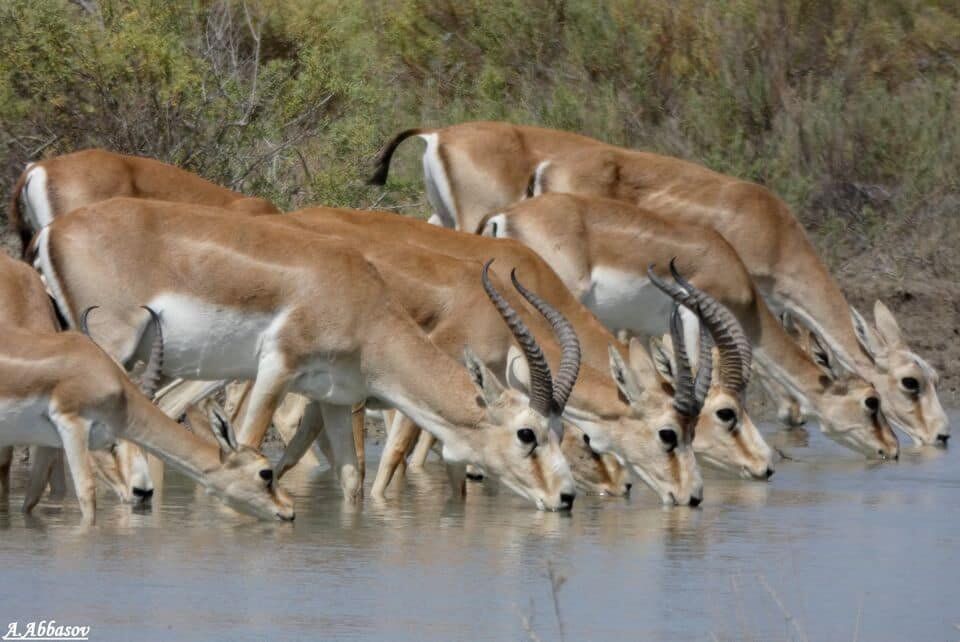
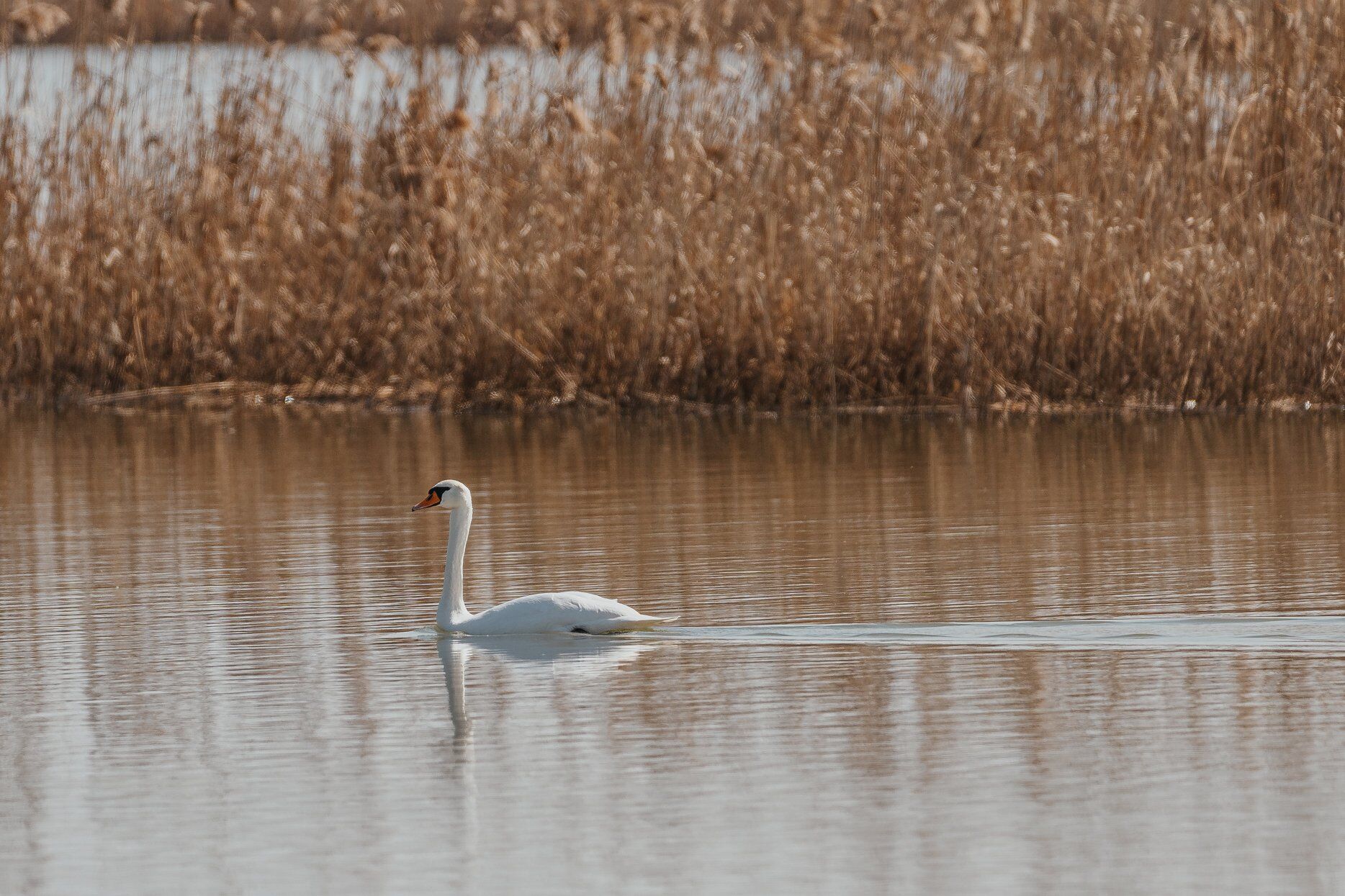

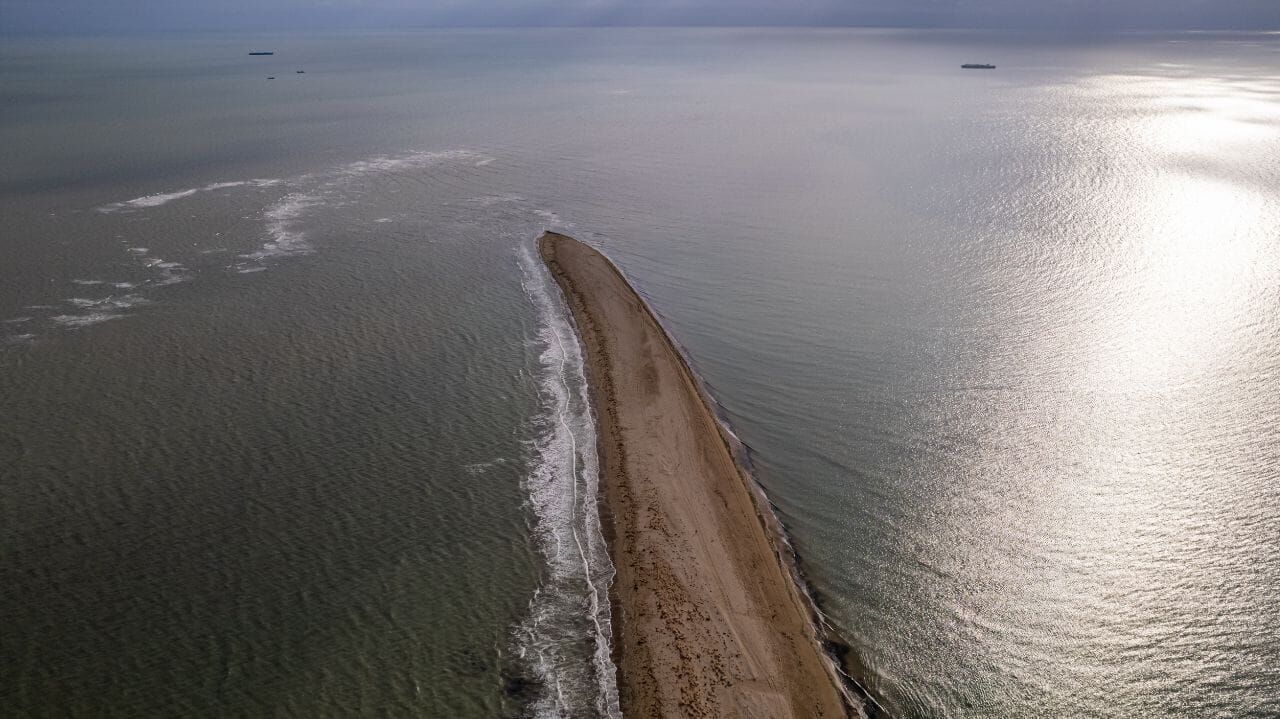
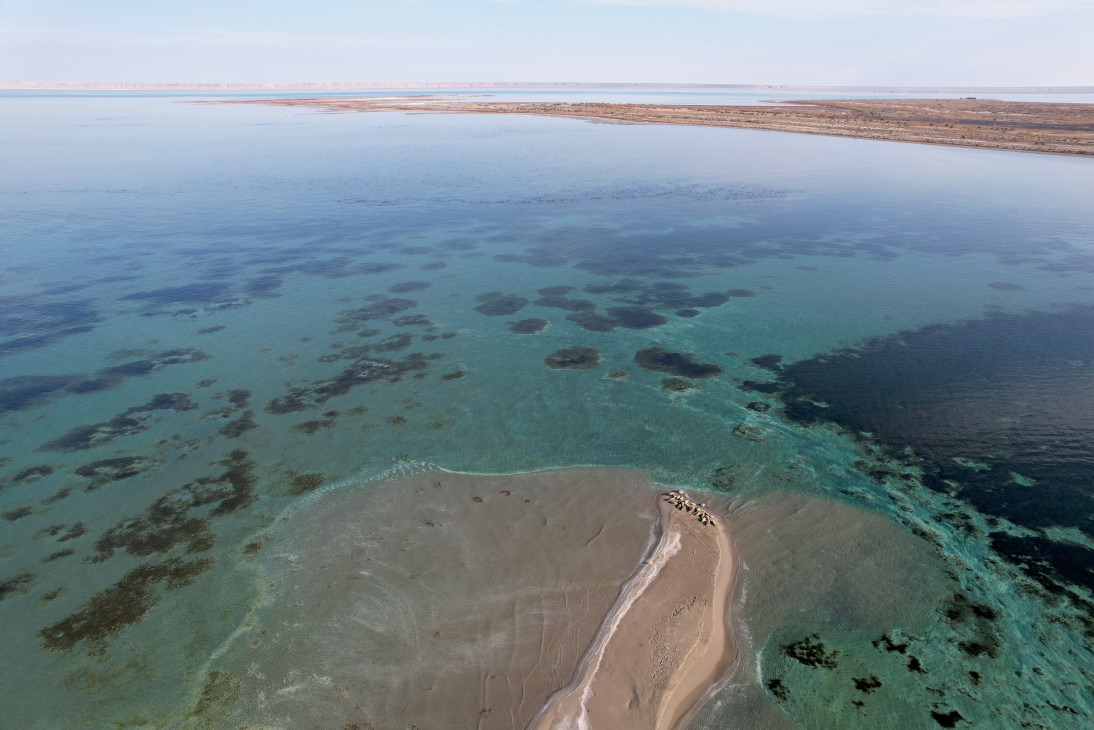

Since the late 1990s the water level of the Caspian Sea has been falling at around 6 cm per year, but declines up to 30 cm per year have been observed since 2020. In July 2025, the water level passed -29 m below global mean sea level, exceeding the previous minimum recorded during the era of instrumental measurements.
The level of Caspian Sea has always fluctuated, and during the 20th century, variations were due to a combination of natural factors and humans diverting water to use for agriculture and industry. While human water use remains important, global warming has taken over as the main driver of decline. In the hotter climate the rate of water entering the sea from rivers and rainfall is reducing, and is now being outstripped by increased evaporation from the sea surface. With the current global trajectory of greenhouse gas emissions, the decline could reach 18 m or more by 2100, which is greater than the height of a six-storey building.
Since the northern Caspian, and coastal margins in other parts of the sea is so shallow – much of it only around five metres deep – small decreases in depth mean huge losses of area. In recent research, colleagues and I showed that even an optimistic ten-metre decline would uncover 112,000 square kilometres of seabed – an area larger than Iceland.
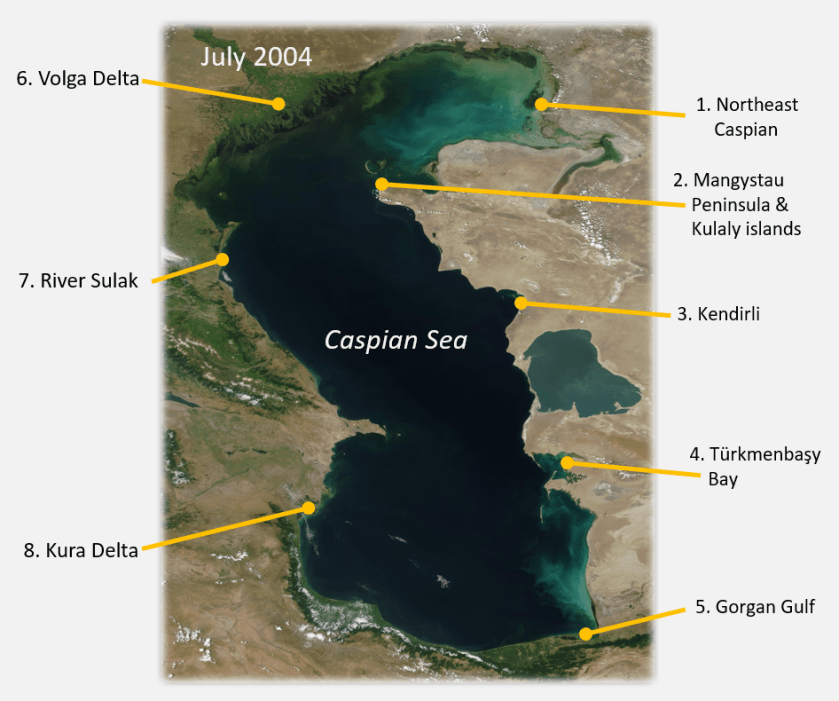
The shallowing of the Caspian Sea is already having very real and dramatic impacts for people and nature, as ports and other human infrastructure are disrupted, and vital wildlife habitats and even whole ecosystems are being lost. This post highlights some of the dramatic changes that are already happening at sites of ecological importance around the Caspian Sea which are readily visible in satellite imagery.
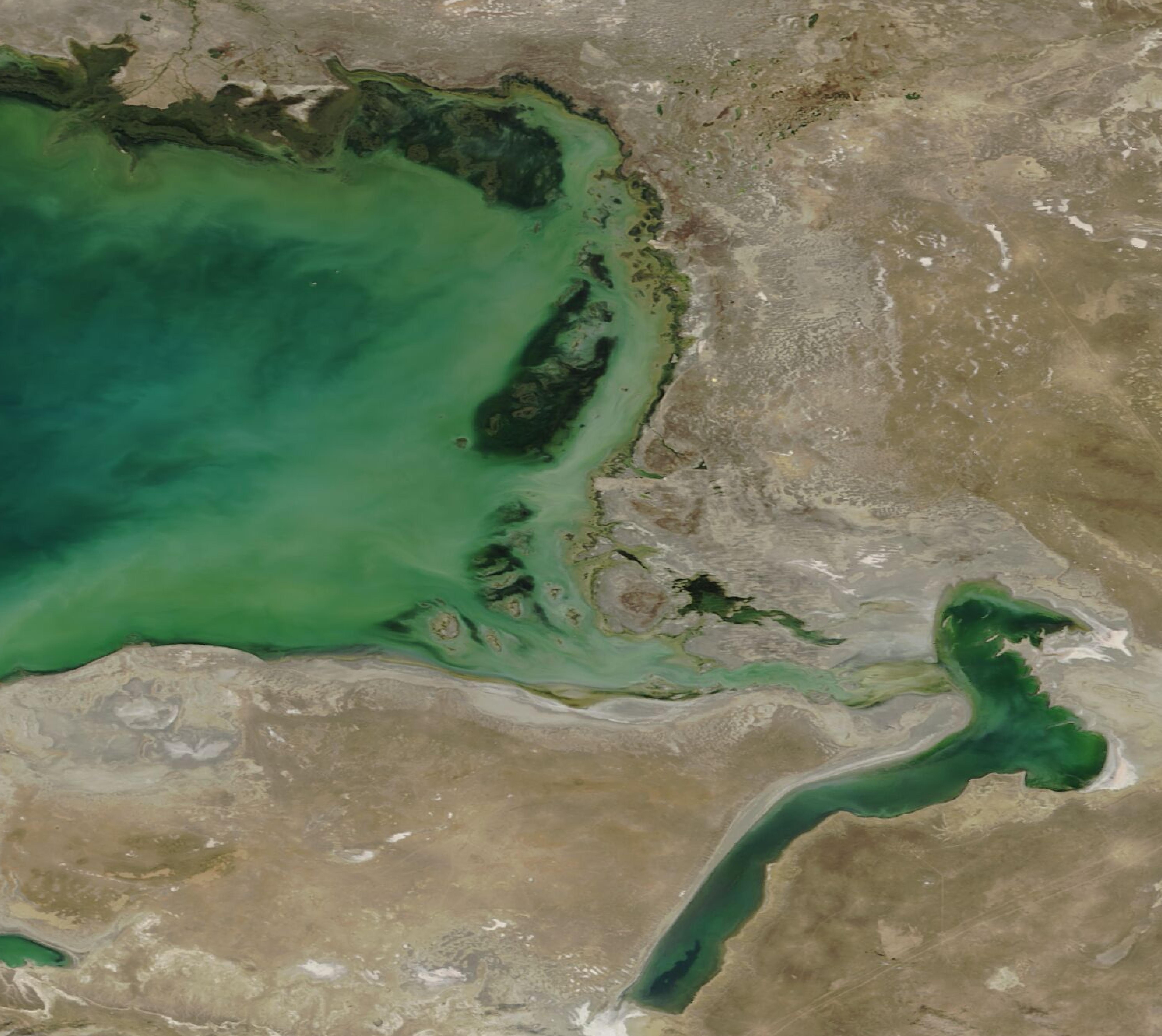
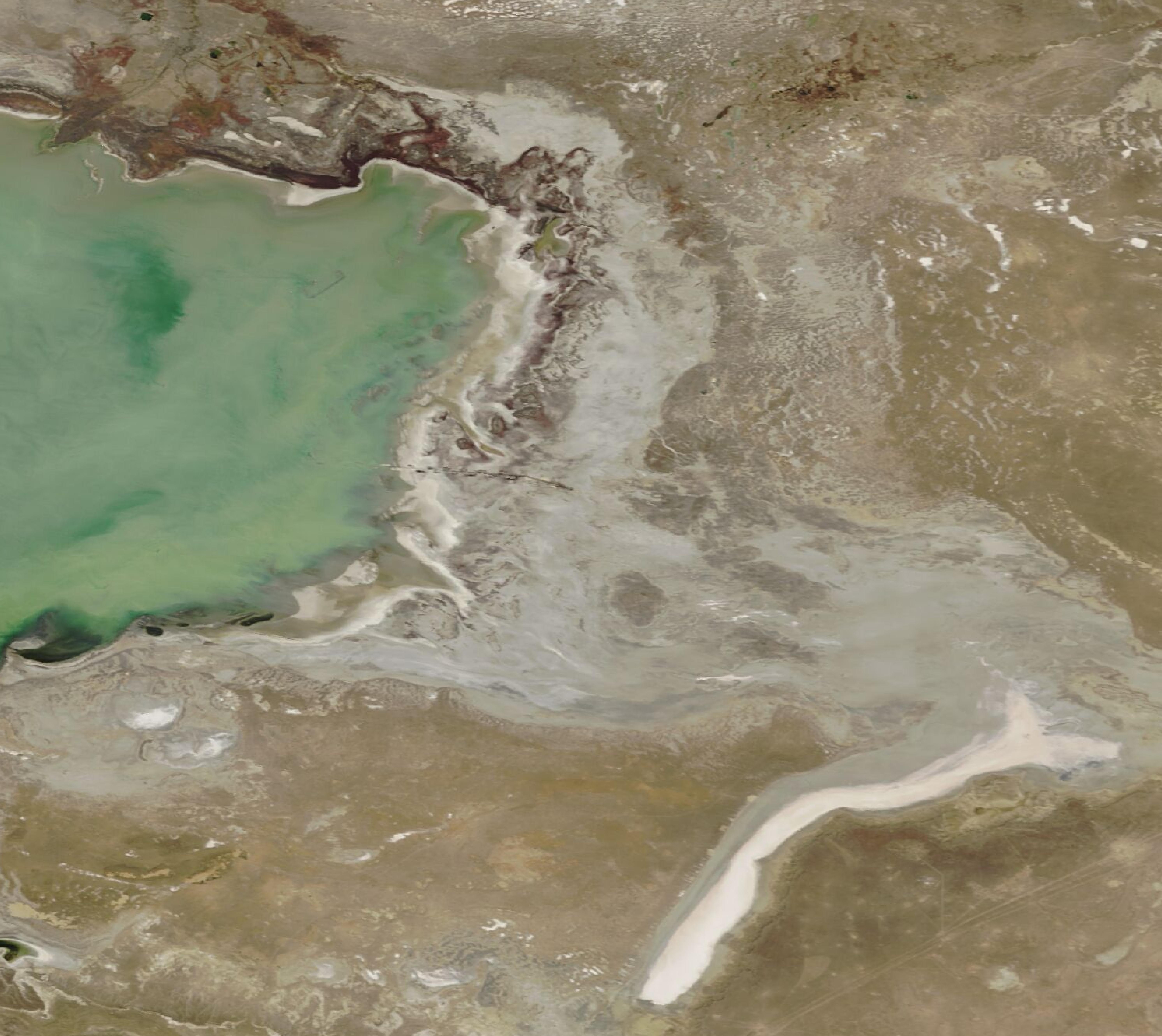
1. The Northeast Caspian, Kazakhstan
The northeast Caspian in Kazakhstan is remote area with vital habitats for spawning fish, Caspian seals, water and migratory birds, as well as oil production facilities. By October 2024, the coast has regressed by more than 56km, and more 7000 km2 of water area has been lost relative to 2001.
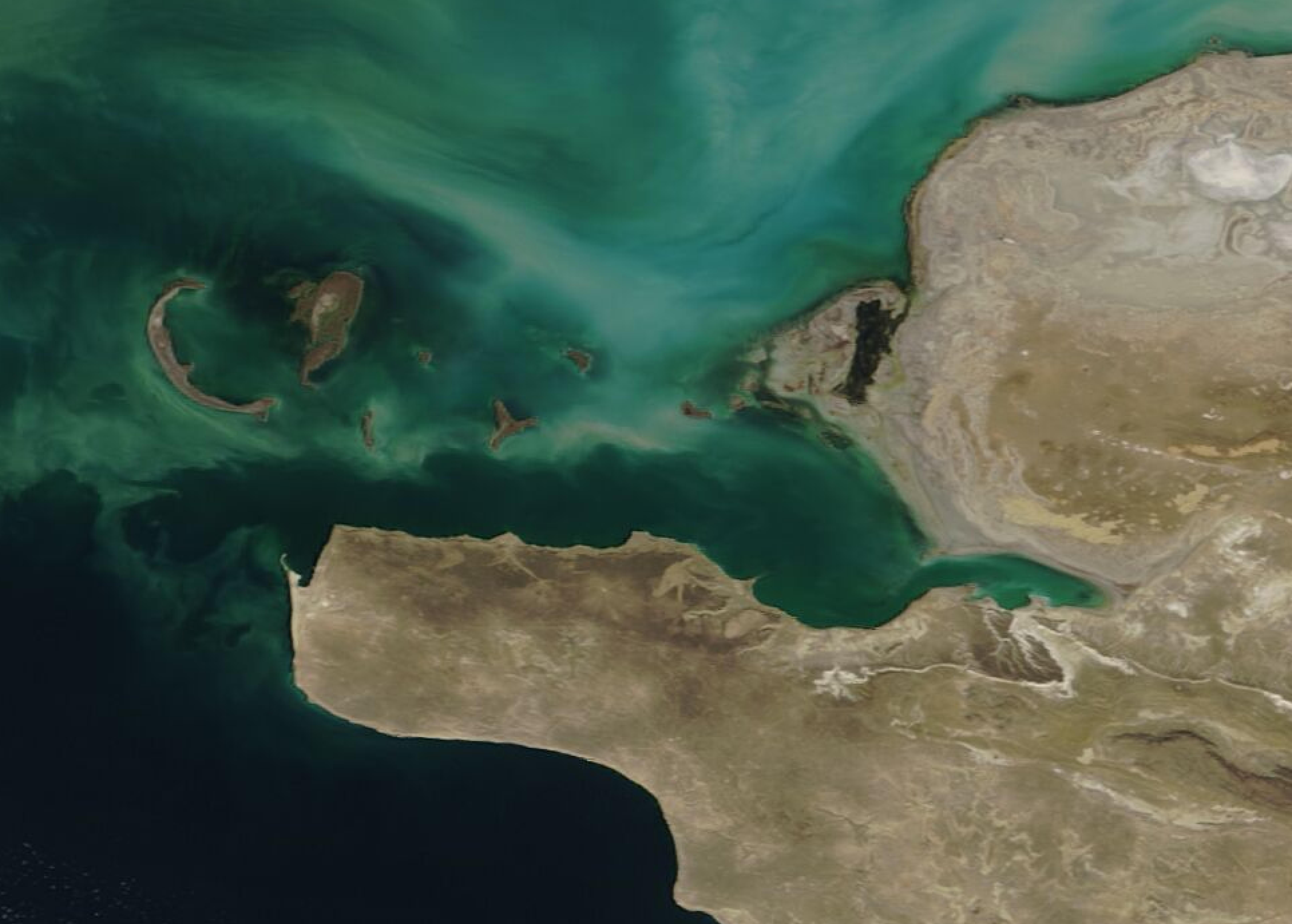
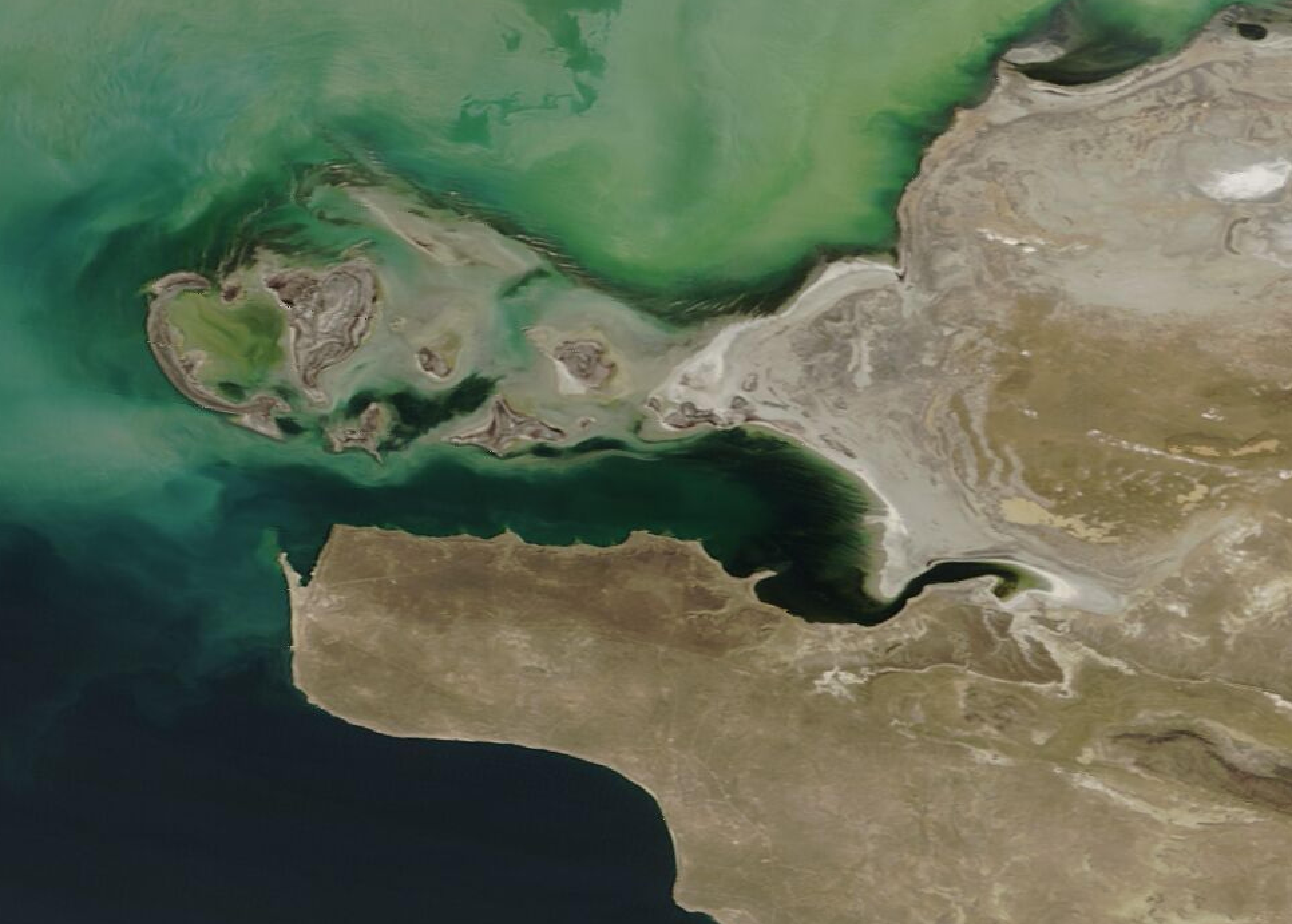
2. The Mangystau Peninsula and Kulaly Isalnds, Kazakhstan
The port of Bautino on the western tip of the Mangystau Peninsula is a centre for fishing, and a key logistics base for the offshore oil industry, supporting the Kashagan oil field to the north east. The Kulaly islands provide important habitats for fish, birds and Caspian seals.
3. Kendirli Bay, Kazakhstan
Kendirli Bay in Kazakhstan is the only place in southern Kazakhstan where Caspian seals haul out to rest during their seasonal migrations, and is also an important spawning area for Caspian herring. It also hosts a small tourist beach resort which is progressively getting further from the shore.
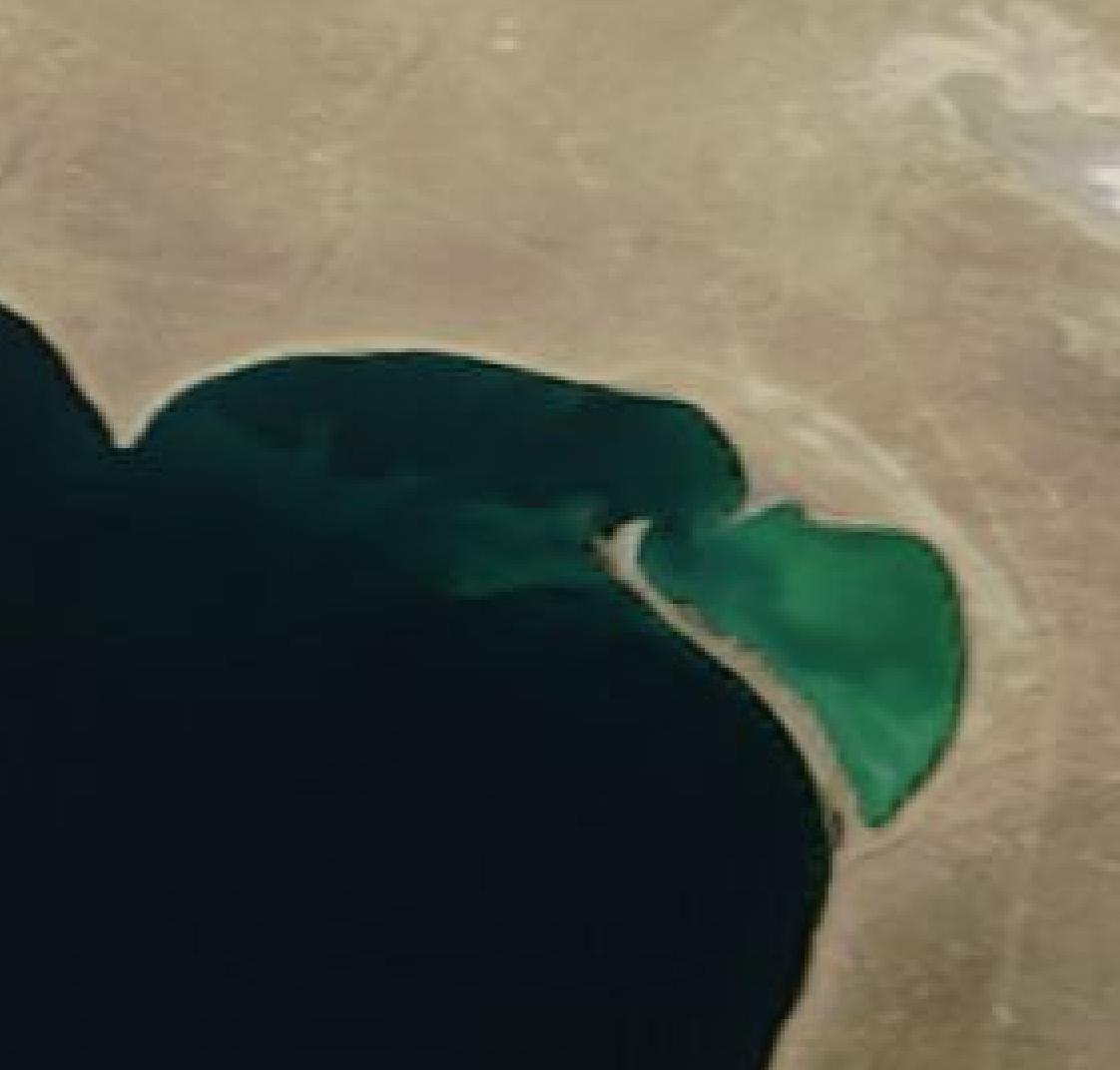
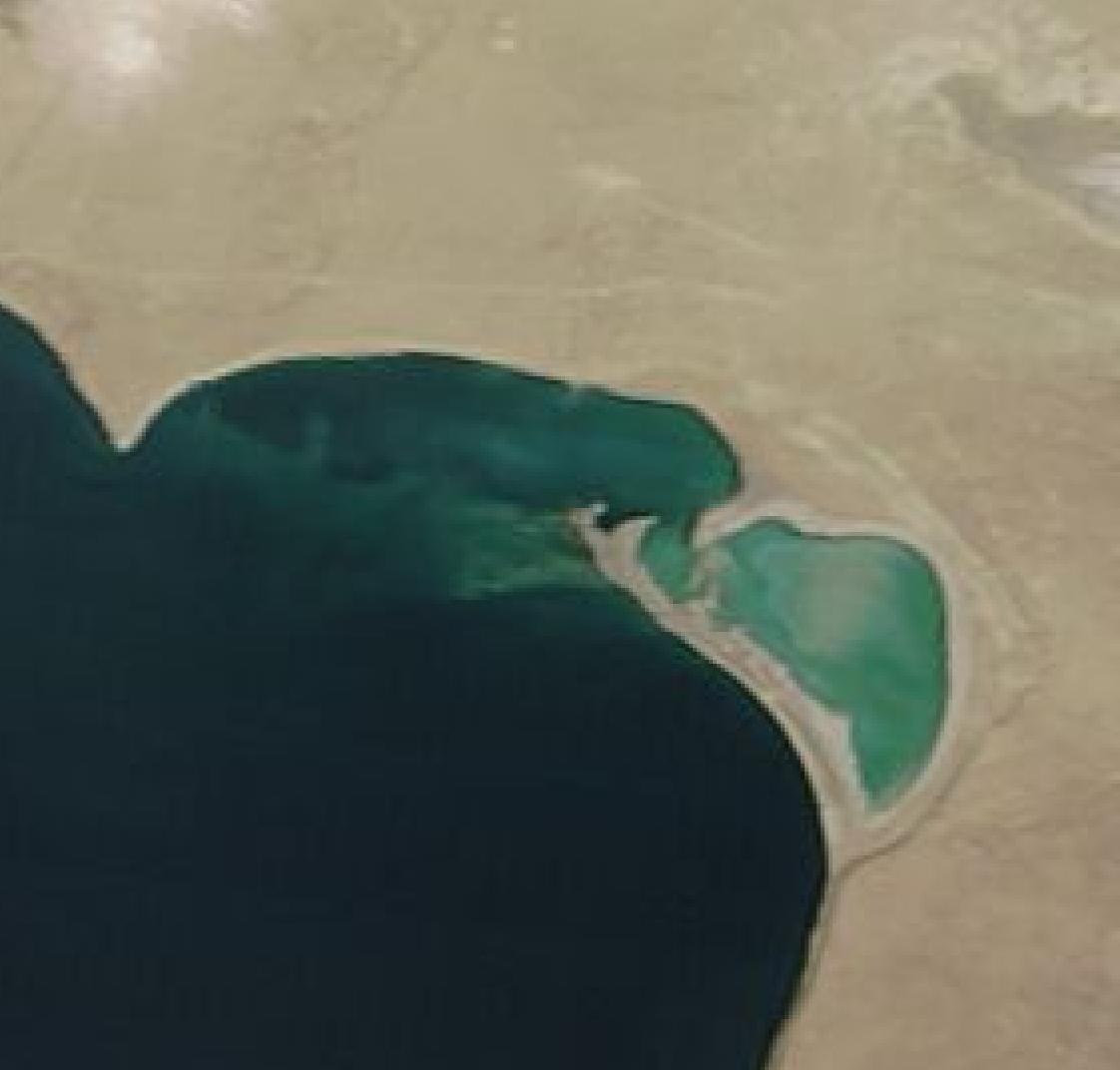
4. Turkmenbashi Bay and Ogurja Ada island, Turkmenistan
Turkmenbashi Bay in Turkmenistan has important commercial shipping and fishing ports as well as oil and gas logistic bases.

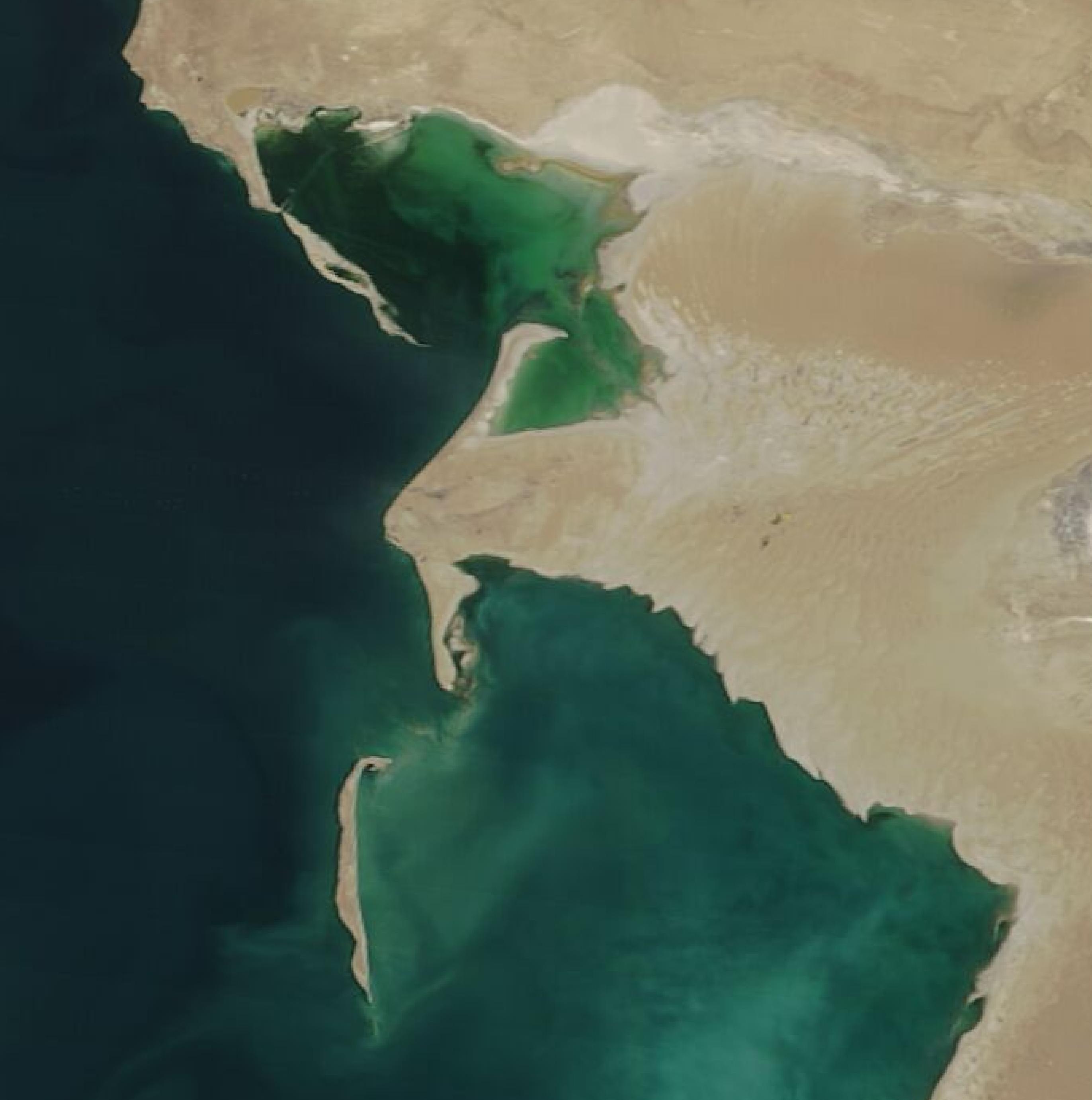
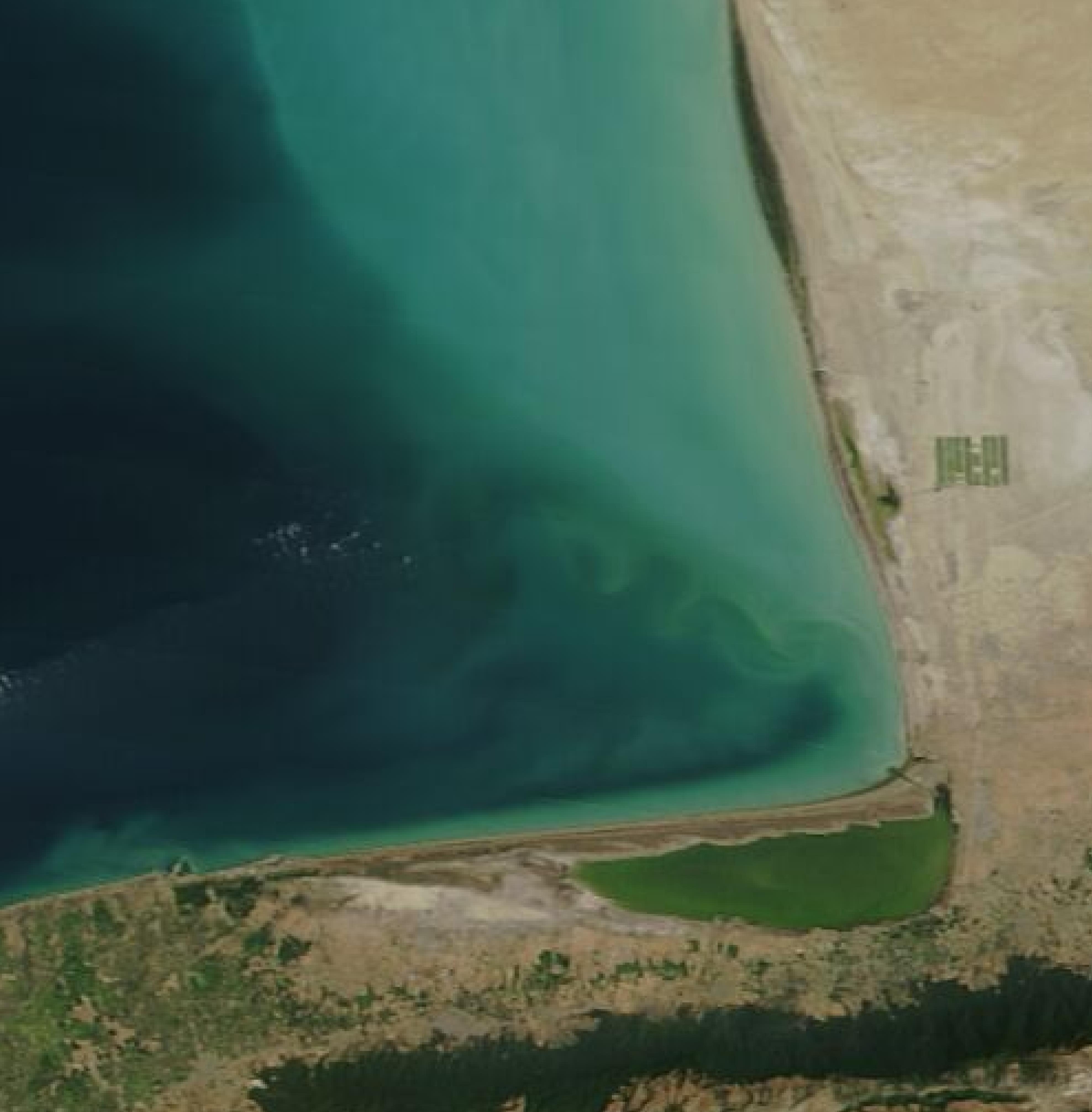
5. Gorgan Gulf
The Gorgan Gulf in the Golestan province of Iran is an important coastal lagoon and wetland area, providing key habitat for birds and fish, as well as supporting livelihoods for fishing communities. The lagoon is in danger of drying completely.
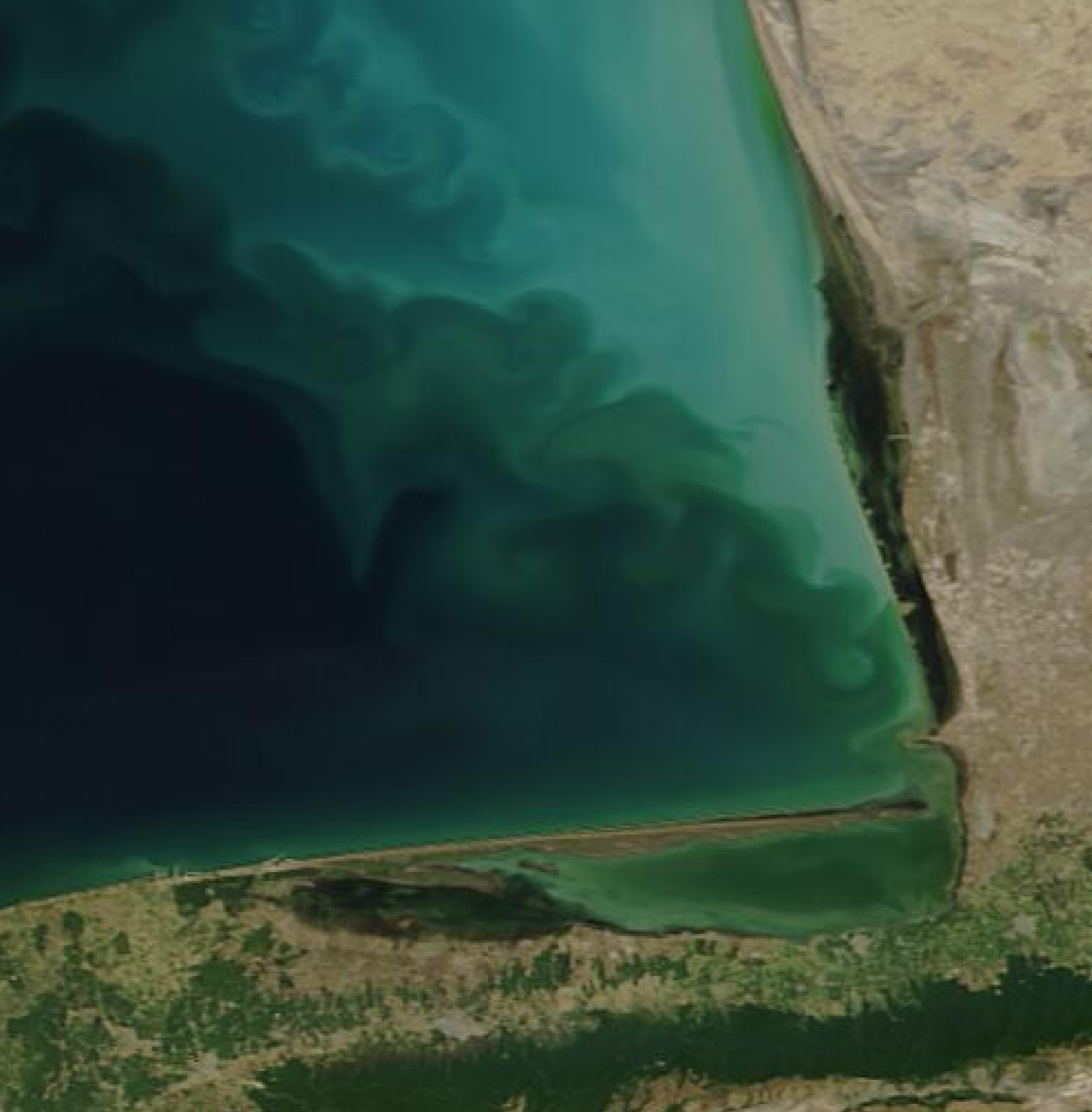
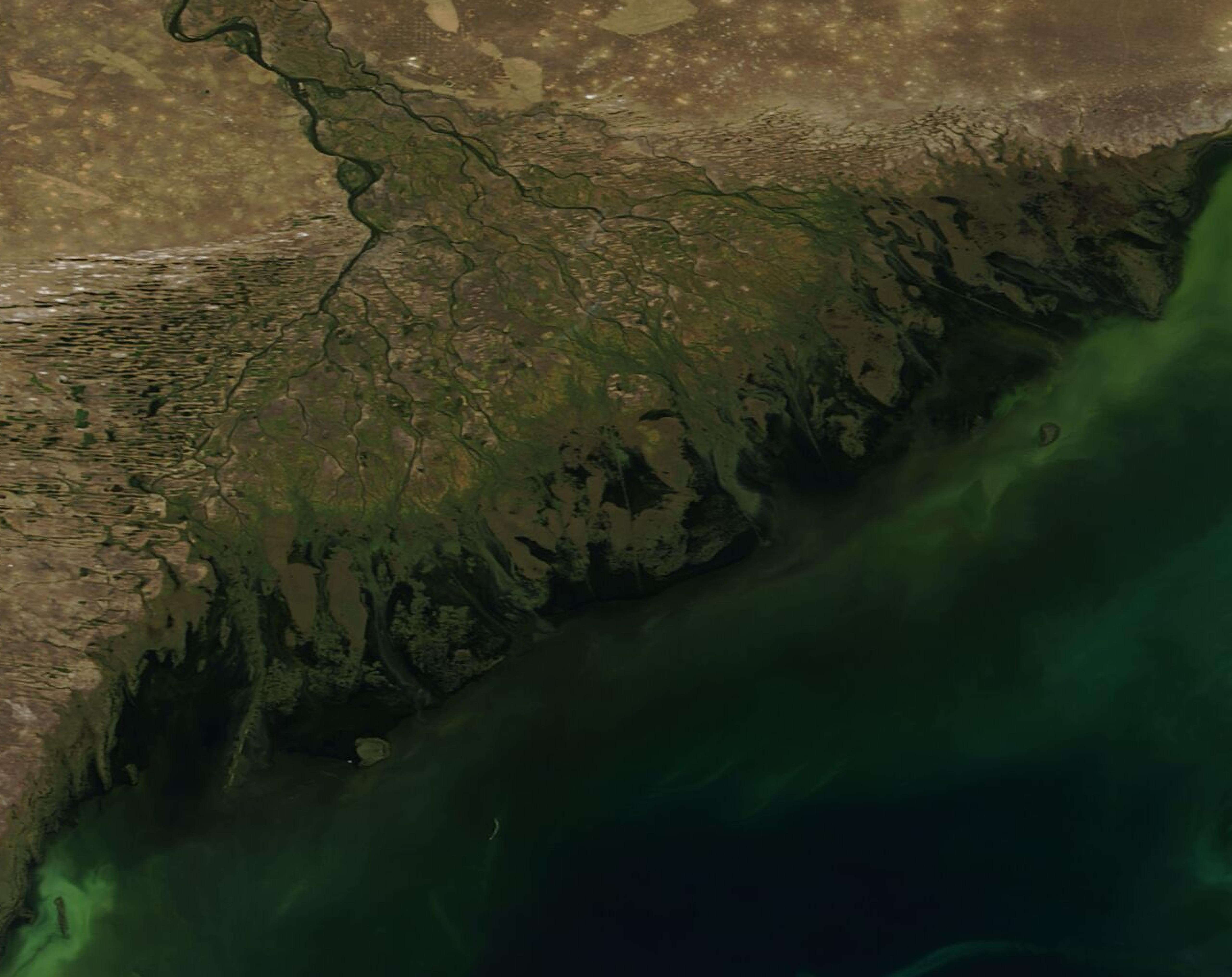
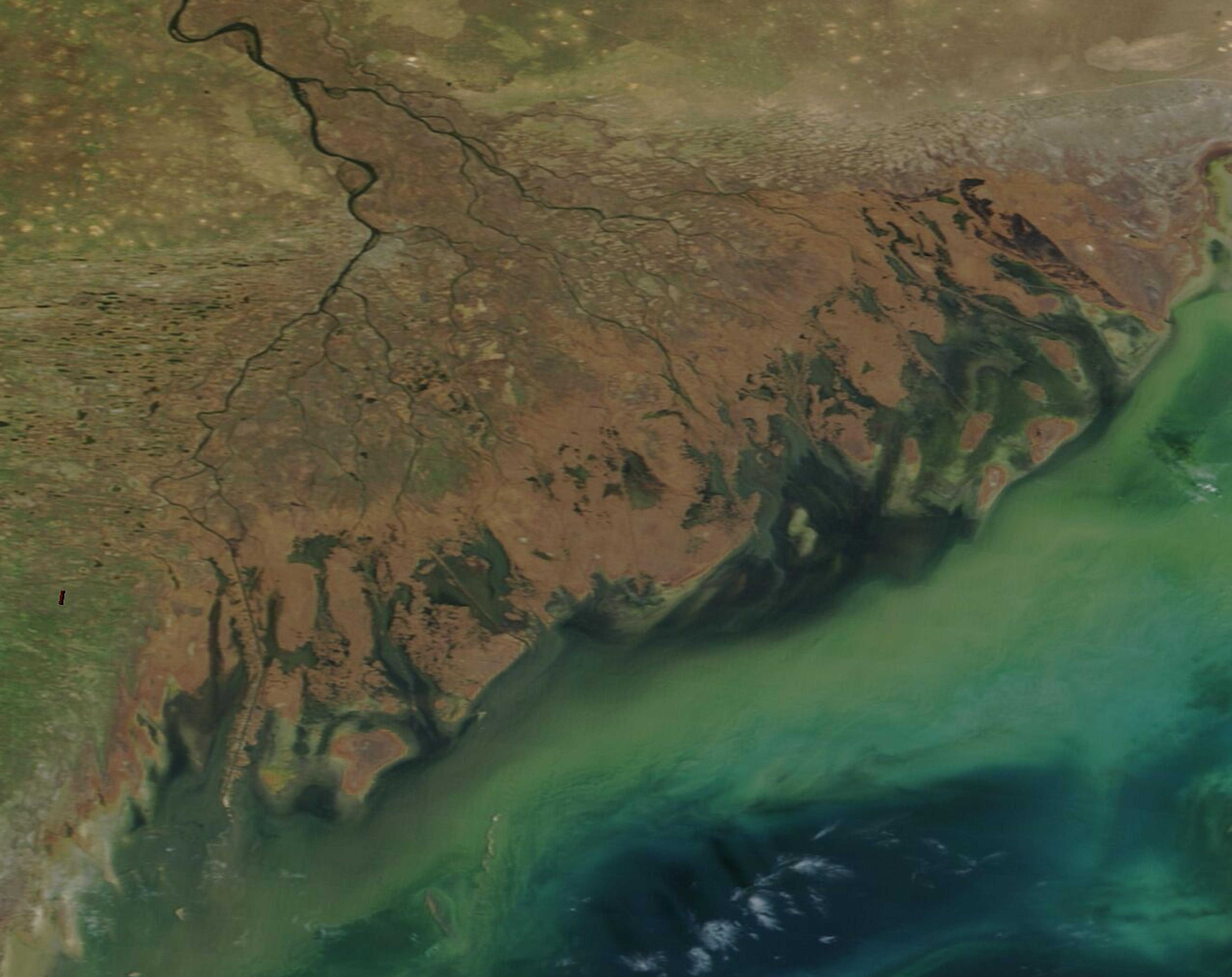
6. The Volga river delta, Russia
The Volga river provides around 80% of the water inflow to the Caspian, and key habitats for fish, birds and seals. A shipping channel at the western side of the delta connects commercial shipping with the main river, which is the only connection to the rest of the global shipping network via the Volga-Don canal. The river connection is shallowing rapidly, putting the future viability of commercial shipping in and out of the Caspian in doubt.
7. River Sulak, Russia
The Sulak is one of the main rivers flowing through Dagestan into the Caspian Sea and is an important area for birds, fish and fishing.
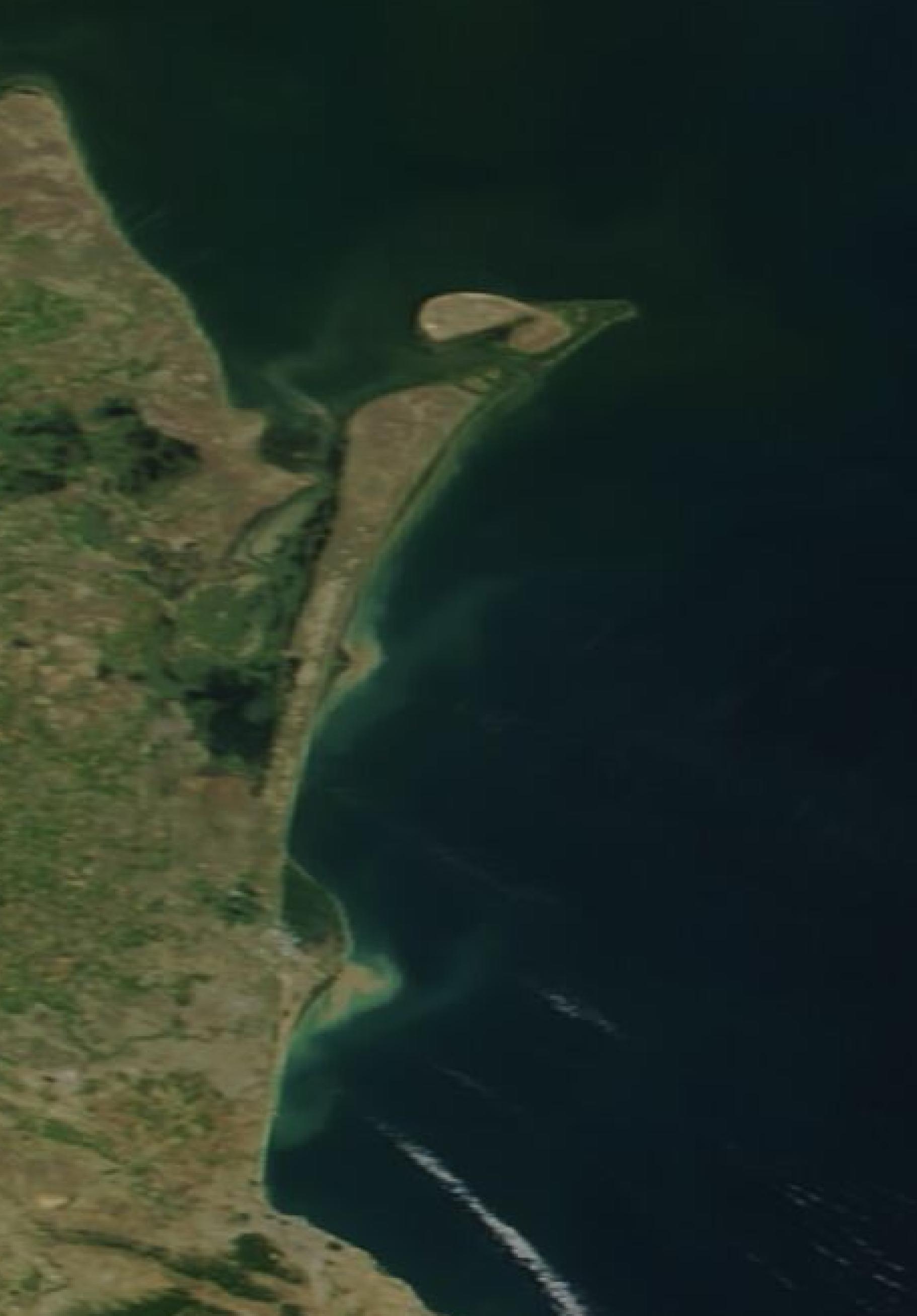
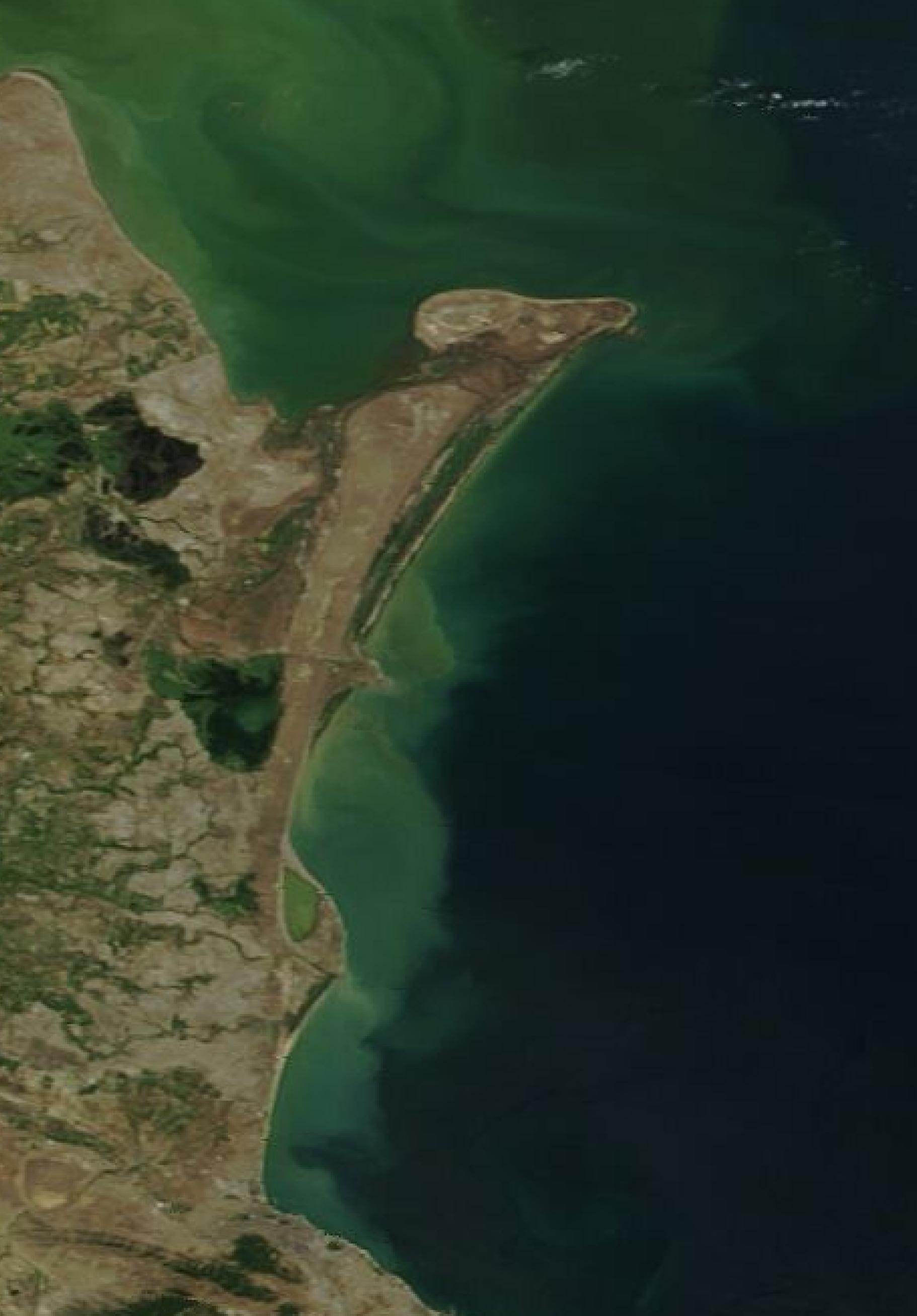
8. The Kura river delta, Azerbaijan
The Kura river delta in Azerbaijan is an important coatal protected area in southern Azerbaijan, with interationally important habitats for birds and fish.

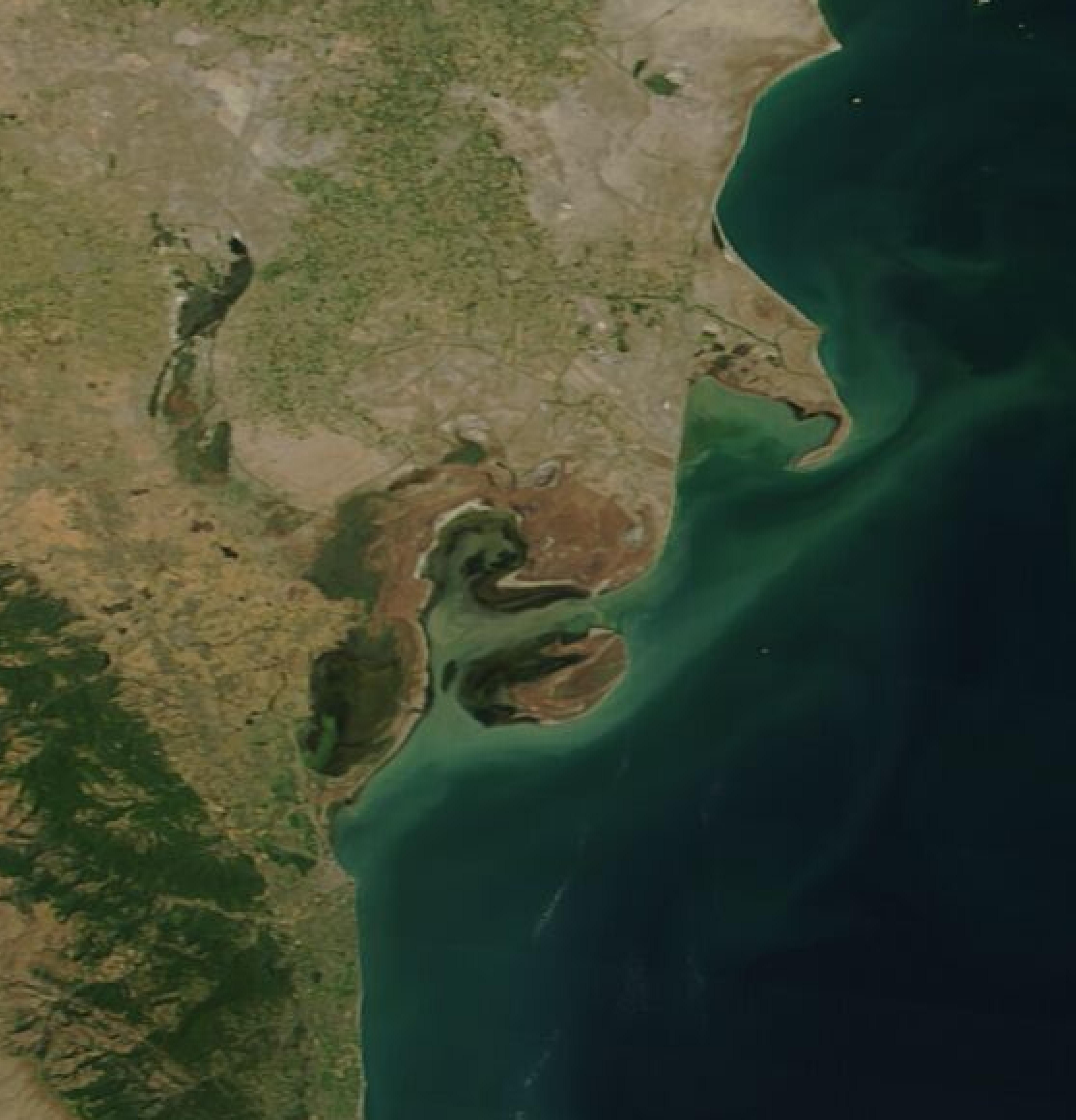
To find out more about the the ecological and economic consequences of declining water levels in the Caspian Sea, read our recent scientific paper.
Court, R., Lattuada, M., Shumeyko, N. et al. Rapid decline of Caspian Sea level threatens ecosystem integrity, biodiversity protection, and human infrastructure. Commun Earth Environ 6, 261 (2025). https://doi.org/10.1038/s43247-025-02212-5
 Goodman Ecology & Evolution Lab @Leeds