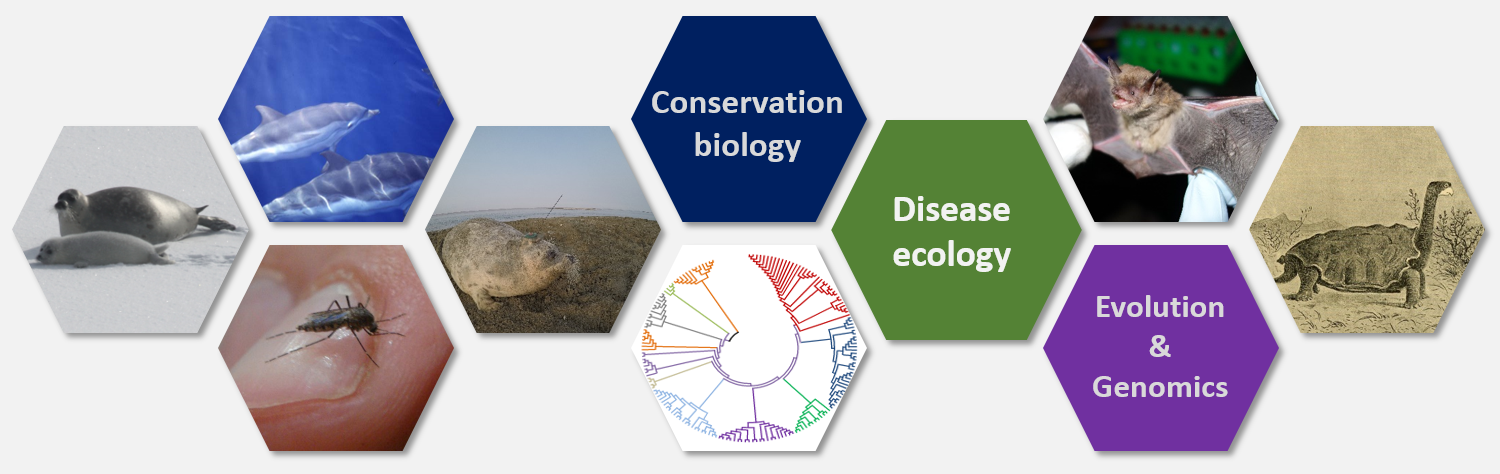
We work at the interface of ecological & evolutionary genomics, disease ecology and conservation biology to understand how the biology, genetics and ecology of species influence their exposure and vulnerability to different kinds of conservation threats.
News
- PhD & fellowship opportunity – Evolution and genomics of life-history strategies in pinnipeds
- PhD & fellowship opportunity – Conservation genomics of endangered white-clawed crayfish
- PhD & fellowship opportunity – Impact of climate change on endangered Caspian seals (Pusa caspica)
- PhD & fellowship opportunity – Marine eDNA and cetacean habitat use
- Announcement of the UK Cetacean eDNA network initiative.
- Details of PhD and fellowship hosting opportunities for 2026 now available. Join us to work on evolutionary genomics, eDNA, and pinniped conservation biology.
Research Highlights
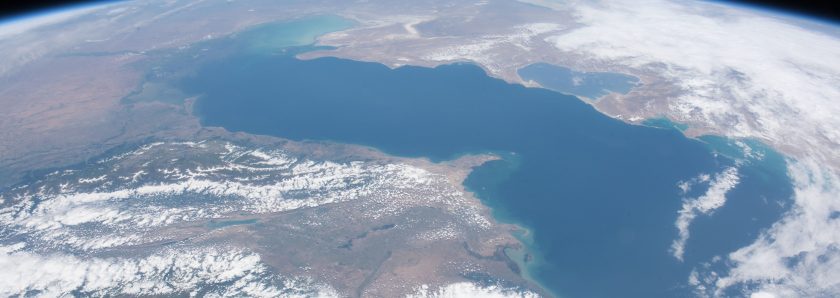
Climate change is fast shrinking the world’s largest inland sea – Our recent paper on the impact of declining water levels in the Caspian Sea is featured in The Conservation.

Clues to conserving our marine mammals are hidden in buckets of seawater – A paper from the PhD work of Betty Boyse shows how eDNA can be used to track the lives of Minke whales, dolphins and porpoises of the coast of north east Scotland.
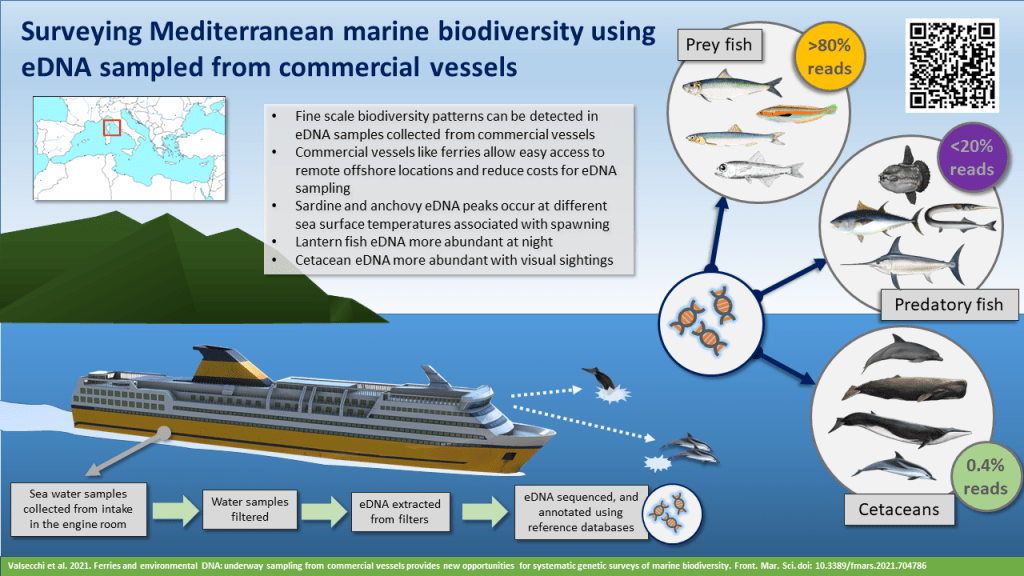
Our recent paper describes how commercial vessels such as ocean going ferries can be used as sampling platforms for marine eDNA studies, opening up the possibility of using the global shipping network to support biodiversity monitoring in the world’s oceans.
In 2016 we presented the first satellite telemetry study of Caspian seals. The results gave new insights into the migration and foraging behaviour of this species and have helped with the prioritizing potential marine protected areas. This short video shows examples of animated telemetry tracks giving a snap shot of annual movement patterns.
 Goodman Ecology & Evolution Lab @Leeds